Does the Cap Rate Really Matter in 2026? The Truth for Atlanta Investors

In the 2026 Atlanta commercial real estate (CRE) market, the capitalization rate remains a fundamental metric for property valuation. However, its role has shifted from a primary decision-making tool to one component of a broader multi-metric analysis. For investors navigating the current economic landscape, understanding the limitations and the utility of cap rates is essential for accurate underwriting and portfolio management.
This guide examines the significance of cap rates in the current market, evaluates secondary metrics required for a complete investment picture, and provides specific context for the Atlanta metropolitan area.
The Role of Cap Rates in 2026 Valuation
A capitalization rate is calculated by dividing a property’s net operating income (NOI) by its current market value or purchase price. In 2026, this figure serves as a benchmark for risk-adjusted return expectations.
Fundamental Utility
Cap rates provide a standardized method for comparing disparate assets within the same class. In Atlanta’s diverse market, ranging from high-rise office space in Midtown to industrial warehouses in South Atlanta, cap rates allow investors to assess relative value quickly.
Current market data indicates that cap rates are increasingly aligned with long-term property fundamentals rather than the speculative growth projections seen in previous cycles. This alignment provides a more reliable anchor for initial asset screening.
Market Stabilization
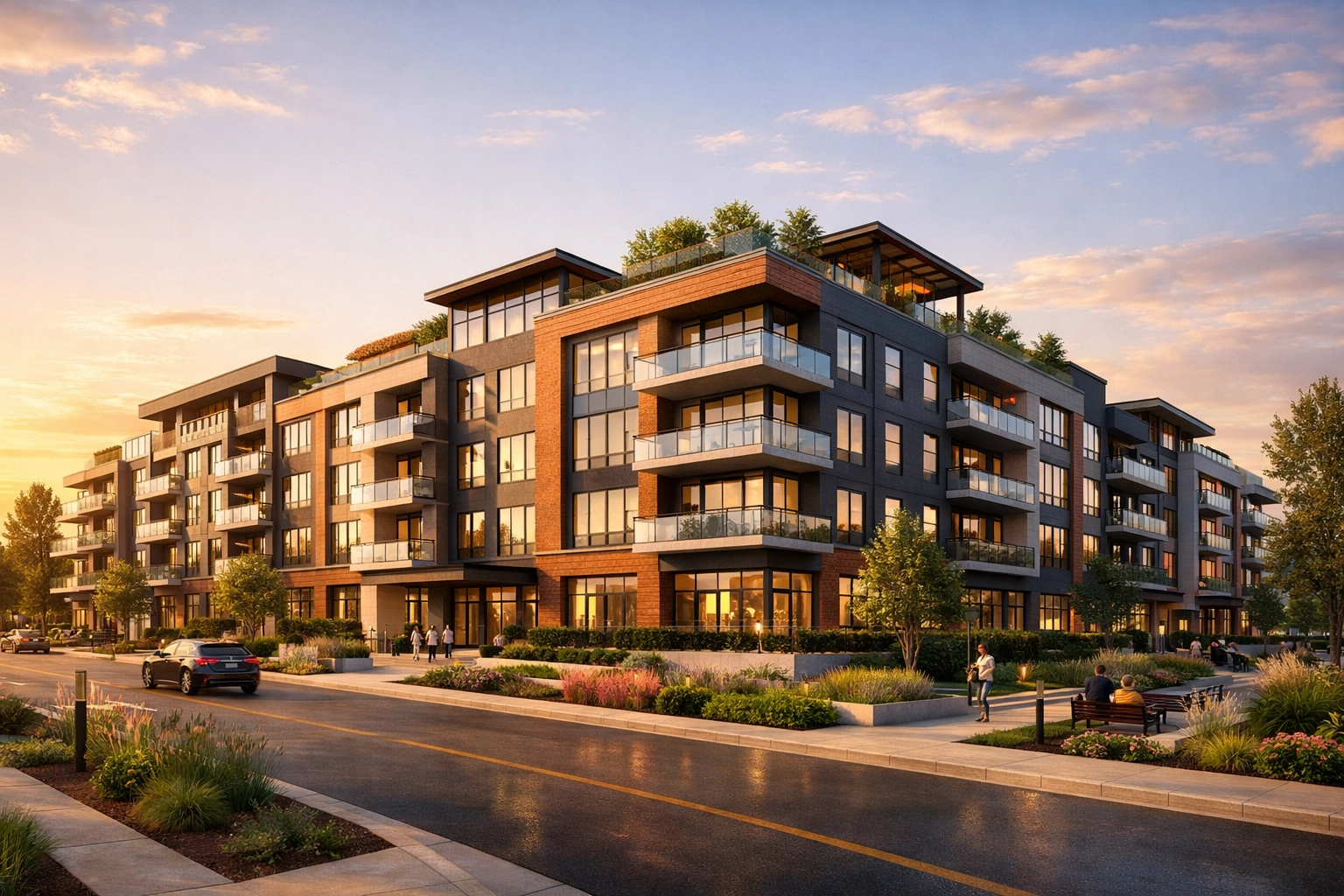
The 2026 investment environment is characterized by stabilized pricing. After the volatility of the early 2020s, cap rates have found a new equilibrium. For Atlanta multifamily assets, cap rates are currently hovering between 5.0% and 6.5%, depending on the submarket and asset class (Class A vs. Class C). This stability allows for more predictable modeling of long-term holds.
Why Cap Rates Are Not the Sole Decision Driver
While the cap rate offers a snapshot of a property’s yield at a specific point in time, it fails to account for several critical variables that impact the ultimate success of an investment.
Financing Costs and the Spread
The relationship between cap rates and interest rates is vital. In 2026, the "spread", the difference between the cap rate and the cost of debt, is a more accurate indicator of profitability than the cap rate alone. If financing costs are 5.5% and the cap rate is 5.8%, the narrow spread suggests limited immediate cash flow after debt service.
Capital Expenditure (CapEx)
Cap rates are calculated using NOI, which typically does not account for below-the-line expenses such as tenant improvements, leasing commissions, or major structural repairs. An Atlanta retail center with a seemingly attractive 7% cap rate may actually yield lower returns than a 5.5% cap rate industrial property if the retail center requires significant immediate roof and parking lot replacements.
Lease Structure and Stability
A cap rate does not reflect the quality of the underlying income stream. A property with a high cap rate often signifies higher risk, such as short-term leases or tenants with poor credit ratings. Conversely, lower cap rates in 2026 are often found in "trophy" assets with long-term, triple-net (NNN) leases from investment-grade tenants.
Essential Metrics for the 2026 Atlanta Investor
To mitigate the limitations of cap rates, professional investors in the Atlanta market utilize a suite of secondary metrics.
1. Internal Rate of Return (IRR)
IRR accounts for the time value of money and includes the projected sale price of the asset at the end of the holding period. This is the preferred metric for institutional investors in Atlanta, as it captures the total lifecycle of the investment, including rent escalations and terminal value.
2. Cash-on-Cash Return
This metric measures the annual cash flow relative to the actual amount of "out-of-pocket" capital invested. In an environment where lending standards remain conservative, cash-on-cash return provides a realistic view of the liquidity an asset generates for the investor.
3. Debt Service Coverage Ratio (DSCR)
Lenders in 2026 maintain strict underwriting requirements. A property may have an attractive cap rate, but if the NOI cannot comfortably cover the mortgage payments (typically requiring a DSCR of 1.25x or higher), the deal will not secure favorable financing.

Asset Class Performance in Atlanta
The significance of cap rates varies significantly across different sectors of the Atlanta CRE market.
Industrial and Logistics
Atlanta remains a primary logistics hub for the Southeast. Cap rates for industrial properties near Hartsfield-Jackson International Airport and along the I-85 corridor remain compressed due to high demand and low vacancy rates. Investors in this sector prioritize lease duration and rent growth potential over the initial cap rate.
Multifamily
The Atlanta multifamily market is experiencing a period of absorption following a significant delivery of new units. Cap rates in suburban markets like Alpharetta and Gwinnett County are showing more stability than those in the urban core. Underwriting now focuses on "organic" rent growth rather than the aggressive double-digit increases seen in the past.
Retail Strip Centers
Retail has seen a resurgence in 2026, particularly unanchored strip centers in high-growth residential corridors. Investors are looking for "sticky" tenants, service-oriented businesses like medical offices, salons, and specialty grocers, that provide stable NOI and justify lower cap rates.
Current Financing Realities
The Atlanta commercial lending environment in 2026 is disciplined. Lenders are focusing on:
Asset Fundamentals: Physical condition and location of the property.
Borrower Experience: Track record in the specific asset class.
Realistic Projections: Underwriting is based on current occupancy and historical expense data rather than "pro-forma" hopes.
Because financing costs are a significant factor in total return, the cap rate must be viewed in the context of available leverage. A 6% cap rate property with 65% Loan-to-Value (LTV) financing at a 5% interest rate performs very differently than the same property with 50% LTV at 6%.

Atlanta Submarket Analysis: Cap Rate Variances
Geographic location within the metro area dictates cap rate expectations.
Submarket | Primary Asset Class | Typical 2026 Cap Rate Range |
Midtown | Class A Office / Luxury High-rise | 4.75% - 5.5% |
Buckhead | Retail / High-end Residential | 5.0% - 5.75% |
South Atlanta | Industrial / Warehouse | 5.25% - 6.0% |
Perimeter Center | Medical Office / Corporate Suites | 5.5% - 6.25% |
Westside | Creative Office / Adaptive Reuse | 5.75% - 6.5% |
Strategic Recommendations for Investors
To succeed in the 2026 Atlanta market, investors should follow a structured approach to valuation:
Use Cap Rates as a Filter, Not a Conclusion: Utilize cap rates to quickly eliminate properties that do not meet your risk profile, but perform deep-dive modeling on those that remain.
Verify NOI: In 2026, expense inflation (insurance, taxes, and labor) can significantly impact NOI. Ensure that the "trailing 12 months" (T12) data is accurate and that future projections account for realistic cost increases.
Evaluate Exit Cap Rates: When calculating IRR, be conservative with your "exit cap" (the cap rate at which you expect to sell the property). Projecting an exit cap that is 50 to 100 basis points higher than your entry cap provides a safety margin.
Analyze the Tenant Mix: In retail and office sectors, the creditworthiness of your tenants is as important as the building itself. A high cap rate may simply be a "risk premium" for a tenant base that is likely to default or vacate.
Conclusion
Does the cap rate really matter in 2026? Yes, but its utility is specialized. For Atlanta investors, it serves as the baseline for the conversation. It is the language of the market, allowing for quick comparisons and high-level strategy. However, the investors achieving the best risk-adjusted returns are those who look beyond the cap rate to analyze financing structures, capital expenditure requirements, and the long-term economic drivers of the Atlanta region.
Reliable data and disciplined underwriting remain the most effective tools for commercial real estate success. By integrating cap rate analysis with a comprehensive review of cash flow and market trends, investors can navigate the 2026 landscape with confidence.
Comments